Originally reported by Decrypt on November 10, 2026, at 01:14 (+08:00).
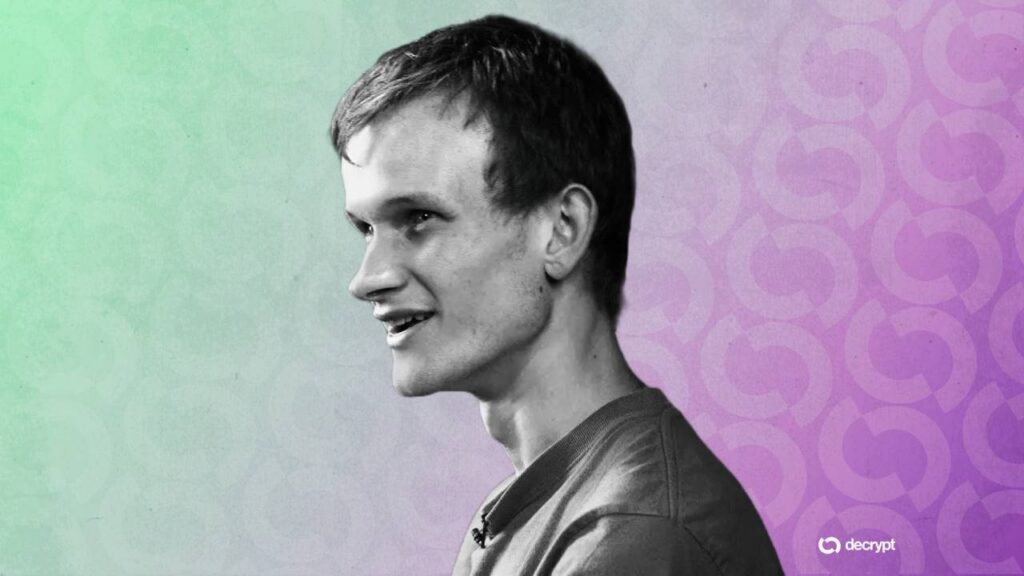
Ethereum co-founder Vitalik Buterin is pushing back on the idea that ETH’s value depends primarily on transaction-fee burns. In a November 8 post, he argued that the burn mechanism was “never” as strong a foundation for valuing ETH as it appeared. Instead, he pointed to Ethereum’s decentralization, censorship resistance and security.
Ethereum began burning a portion of transaction fees in 2021, giving rise to the “ultrasound money” argument: greater network use could mean more ETH burned. Buterin said even the millions of ETH burned annually from 2021 to 2023 did not create a “true floor” for its value, because much of that activity came from uses within crypto, including lending and NFT purchases. “We should not feel sad if fee burn is < 10% of breakeven indefinitely; the value of ETH comes from elsewhere,” he wrote. His point challenges the case for treating burns as ETH’s defining economic feature; it does not establish that ETH will retain its value.
Connor Howe, co-founder and CEO of infrastructure provider Enso, told Decrypt that the shift of activity to layer-2 networks further weakens the fee-burn argument. He also said optimizing ETH for larger burns would favor higher gas prices—an outcome users would not want. Buterin argued that making fee revenue central to justifying ETH’s then roughly $270 billion market capitalization would push Ethereum toward functioning like a large corporation, at the expense of decentralization.
Binji Pande, a founding member of Ethlabs, agreed with Buterin’s store-of-value framing. Pande cited Ethereum’s distribution and availability, and said the Ethereum Foundation held less than 0.2% of ETH. He also argued that Ethereum was better positioned than gold or Bitcoin to withstand future challenges; those comparisons are Pande’s assessment, not an established outcome. Ethlabs co-founder Julian Ma likewise argued that Ethereum’s security work could strengthen its position. Howe agreed with Buterin’s shift in emphasis but said it had taken too long.
Source: decrypt.co (originally published 2026-11-10 01:14 UTC+8)