
Bitcoin had recovered from around $55,000 and was testing $62,000 in thin Thanksgiving trading, according to the market update published at 16:22 UTC+8 on November 27, 2026. Spot buying and short covering both contributed to the rebound, but fund flows told a different story: US spot Bitcoin ETFs recorded $453 million in net outflows on November 26, their seventh consecutive day of net withdrawals.
Bitcoin’s rebound has yet to reverse large-wallet selling
Santiment reported that wallets holding between 10 and 10,000 BTC had reduced their combined holdings by approximately 150,000 BTC since November 2. They still held 67.55% of Bitcoin’s supply. The move above $60,000 was not, by itself, evidence that those holders had resumed net buying.
Analysts disagreed on what would confirm a recovery. Alex Marzell identified $62,700 as the key test: a sustained recovery above it could bring $70,000–$72,000 into view, while a failed rebound could lead to another test of $55,500. Tranquility Crypto pointed to spot buy orders between $50,000 and $58,000, with support concentrated near $57,000–$58,000. Scient wanted to see Bitcoin clear the high-volume level at $64,100 and a four-hour reversal signal near $64,400 before judging the trend stronger.
About $7.4 billion in BTC and ETH options were due to expire on November 27. Bitcoin remained well below its $72,000 maximum-pain level for the expiry. Traders were watching whether BTC could close the week above $62,500–$63,000 and whether spot ETF flows would turn positive.
USDT contraction is concentrated on Ethereum
CryptoQuant reported that USDT supply fell by $8.1 billion over 60 days, with almost the entire decline occurring on Ethereum. Other measures also pointed to tighter liquidity: DeFi total value locked fell to $43.5 billion in late October, and spot Ether ETFs recorded net outflows of more than 640,000 ETH over a month. On November 26, the funds recorded $68.5105 million in net withdrawals, extending their outflow streak to nine days.
ETH traded between $1,600 and $1,700 after sellers turned back an earlier advance to $1,840–$1,850. Trader Merlijn identified $1,700 as resistance and $1,570 as support. Analizci Hoca said a daily hold above $1,711 followed by a weekly close above $1,724 could put $1,845 back in reach.
The weakness extended beyond Ether. According to Axel Bitblaze, all the leading altcoins tracked were below their 50-day moving averages, and 92% were below their 200-day averages. In nine of 14 comparable episodes, the sector bottomed within a further 10% and subsequently rallied 30%–70%. That record did not establish a bottom in this instance. Daan Crypto Trades argued that altcoins would struggle to sustain an independent recovery before Bitcoin found a floor and identified 0.03 BTC per ETH as a relative-strength threshold to watch.
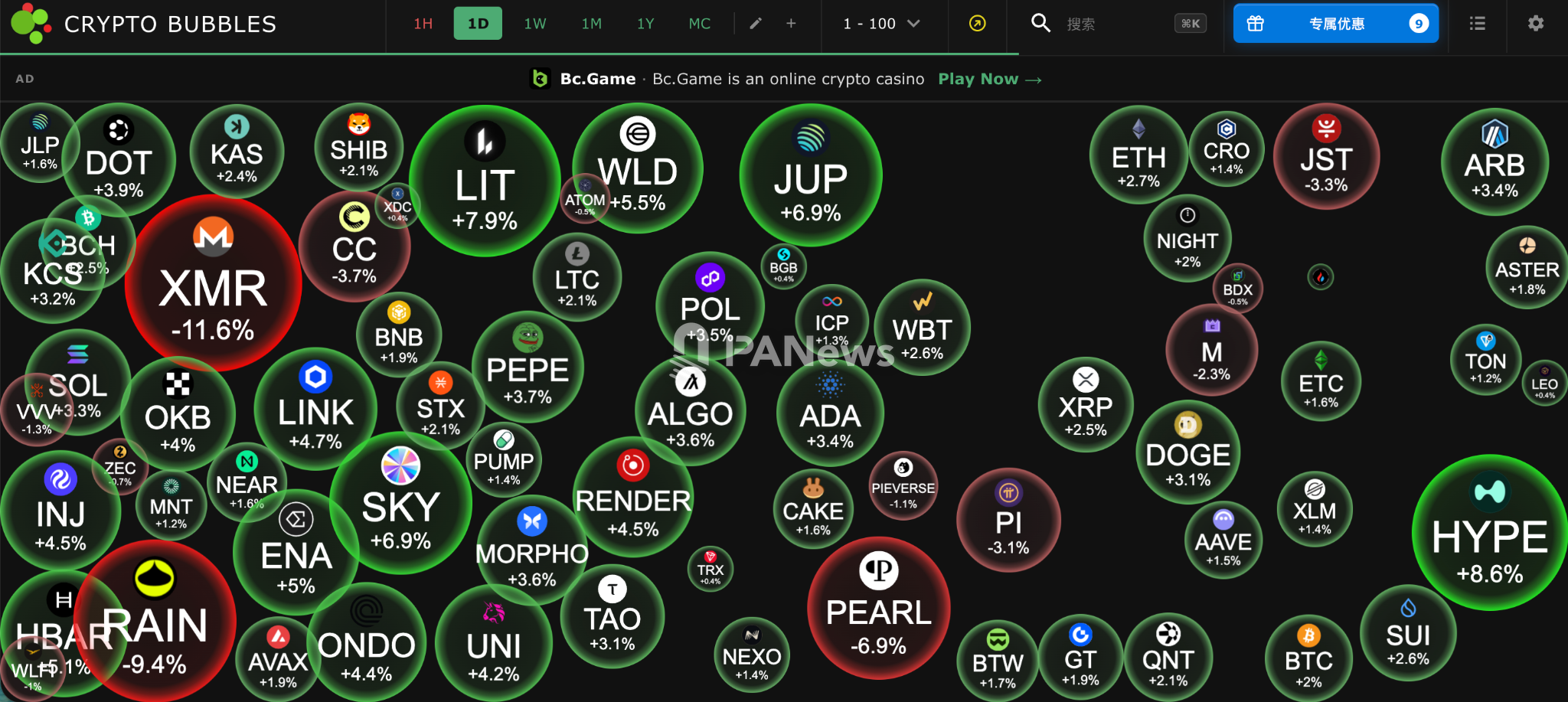
Some tokens nevertheless posted daily gains. Among the 100 largest by market capitalization, HYPE rose 8.3%, LIT 7.8%, SKY 6.8%, JUP 6.6% and WLD 5.5%.
On Ethereum’s development calendar, core developers scheduled the Glamsterdam upgrade for December 15 on the Hoodi testnet. Mid-January 2027 was the target window for mainnet, not a confirmed activation date. The upgrade aims to advance scaling work including enshrined proposer-builder separation, or ePBS.
Asian technology shares rally
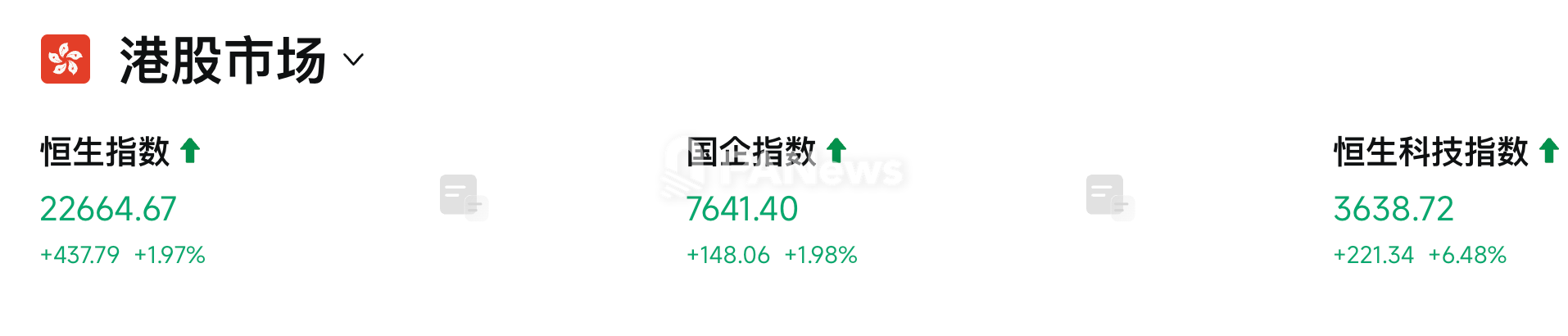
Asian equities closed higher on November 27, led by technology shares. South Korea’s KOSPI gained 4.34% and the KOSDAQ rose 8.13%; Japan’s Nikkei 225 advanced 2.11%. In Hong Kong, the Hang Seng Index gained 1.97%, with chipmaker SMIC closing 15.3% higher.
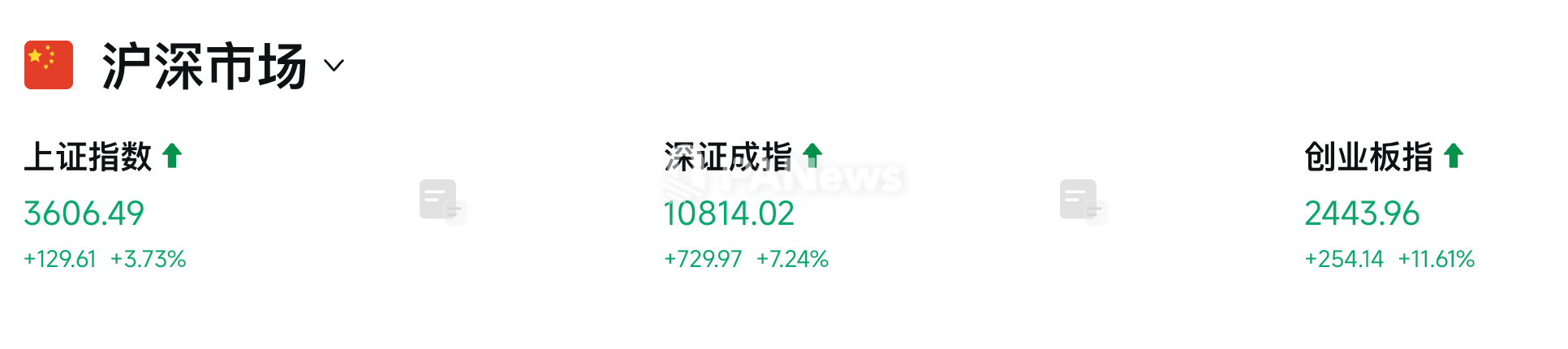
In mainland China, the ChiNext Index rose 11.61%, its largest daily gain since October 8, 2024. The STAR 50 gained 15.07%, and the Shanghai Composite rose 3.73% to finish above 3,600. At its November 27 executive meeting, China’s State Council called for strengthening Central Huijin’s market-stabilization role, providing sufficient liquidity and improving policies for long-term participation by insurers, annuity funds and social security funds. The meeting set out policy priorities rather than announcing that new funds had already entered the market.