
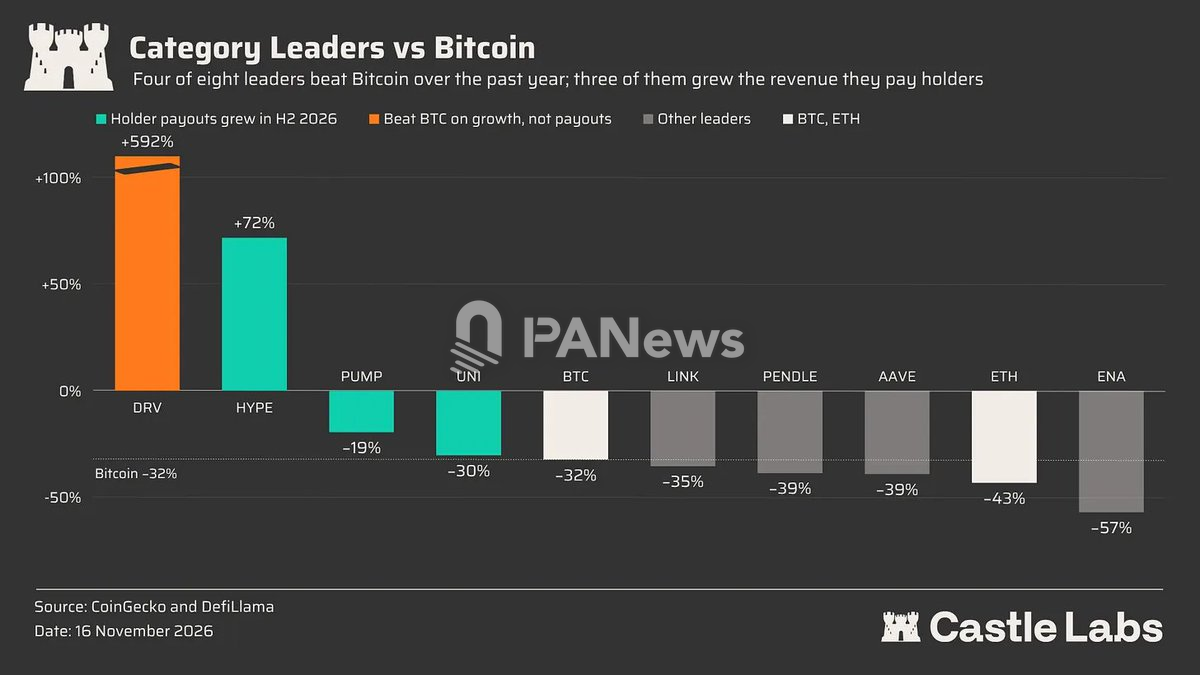
In an analysis published on November 17, 2026, Castle Labs examined a gap in crypto markets: a protocol can lead its category in fees without its token outperforming Bitcoin. Its central question was not just how much a protocol earns, but how much of that activity reaches token holders—and whether token supply or expectations of future growth change the picture.
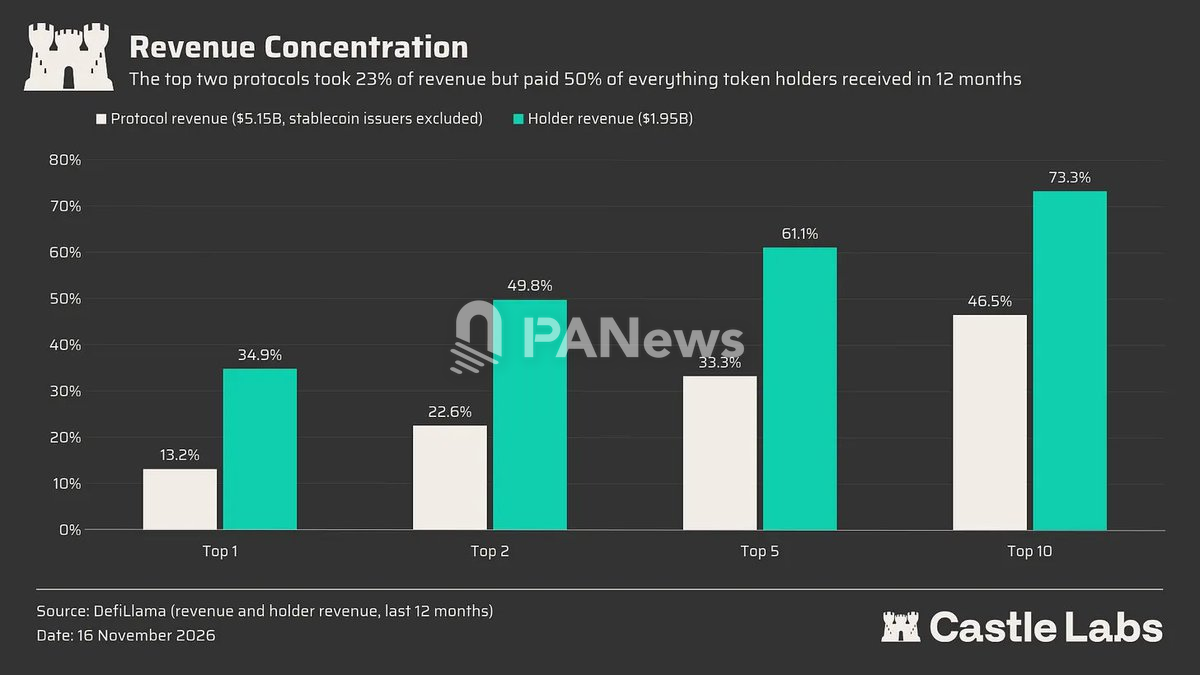
Fee leadership is not a token payout
Castle Labs reported that protocols generated $13.7 billion in fees over the preceding 12 months. Excluding stablecoin issuers, the ten highest-earning protocols accounted for 47% of protocol revenue, while the ten largest sources of token-holder distributions accounted for 73% of those distributions. The concentration of fees and payouts does not mean the same tokens captured equal value.
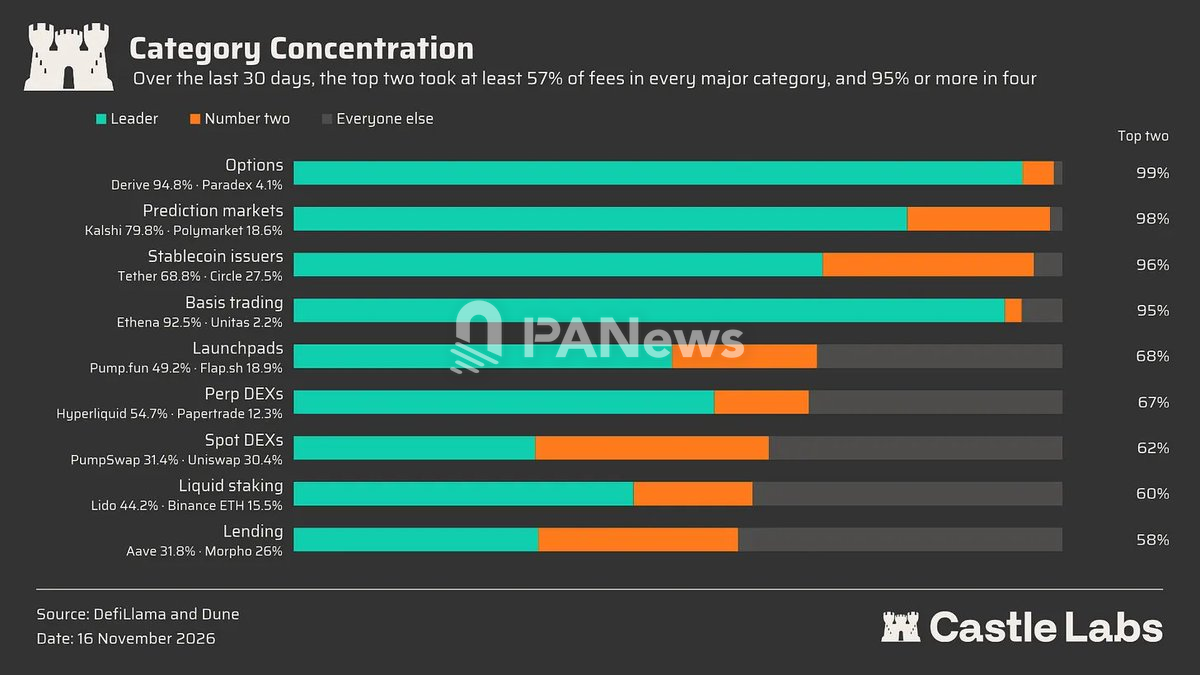
The analysis points to different competitive conditions across categories. Spot decentralized exchanges and launchpads face relatively low switching costs. Lending platforms and perpetual-futures exchanges can retain users through liquidity depth, but incentives may also draw capital to rivals. In highly concentrated categories, a leading business may not offer a comparable token investment at all: Castle Labs cited Circle, whose publicly traded instrument is its CRCL stock.
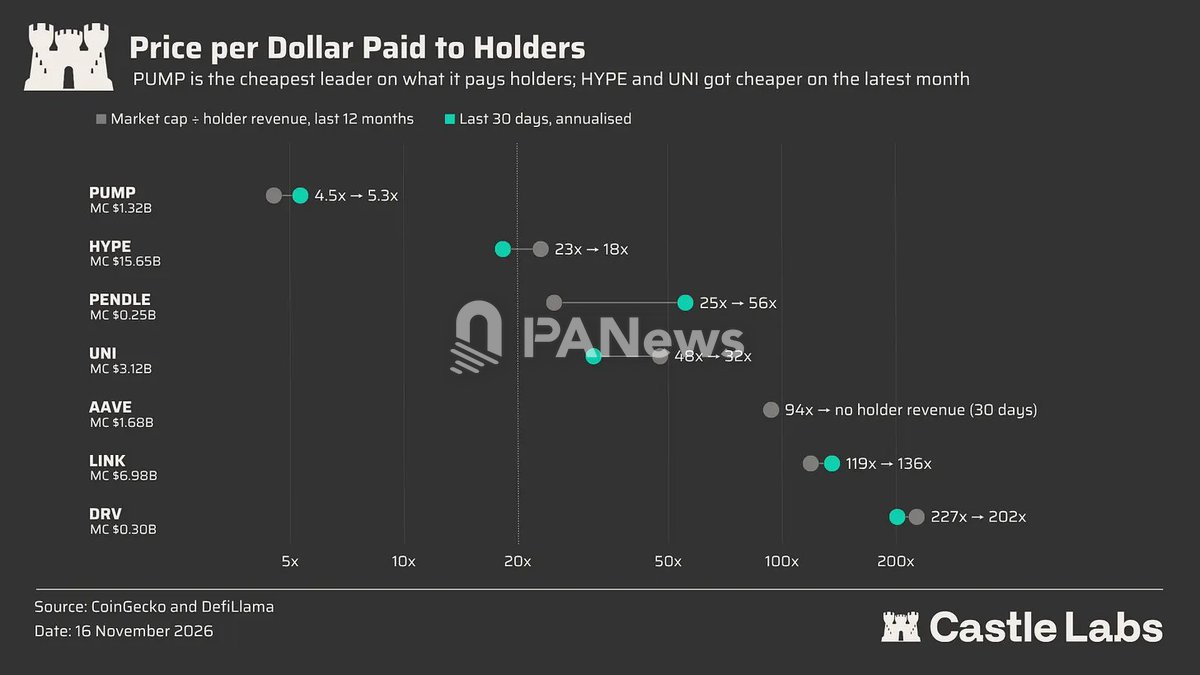
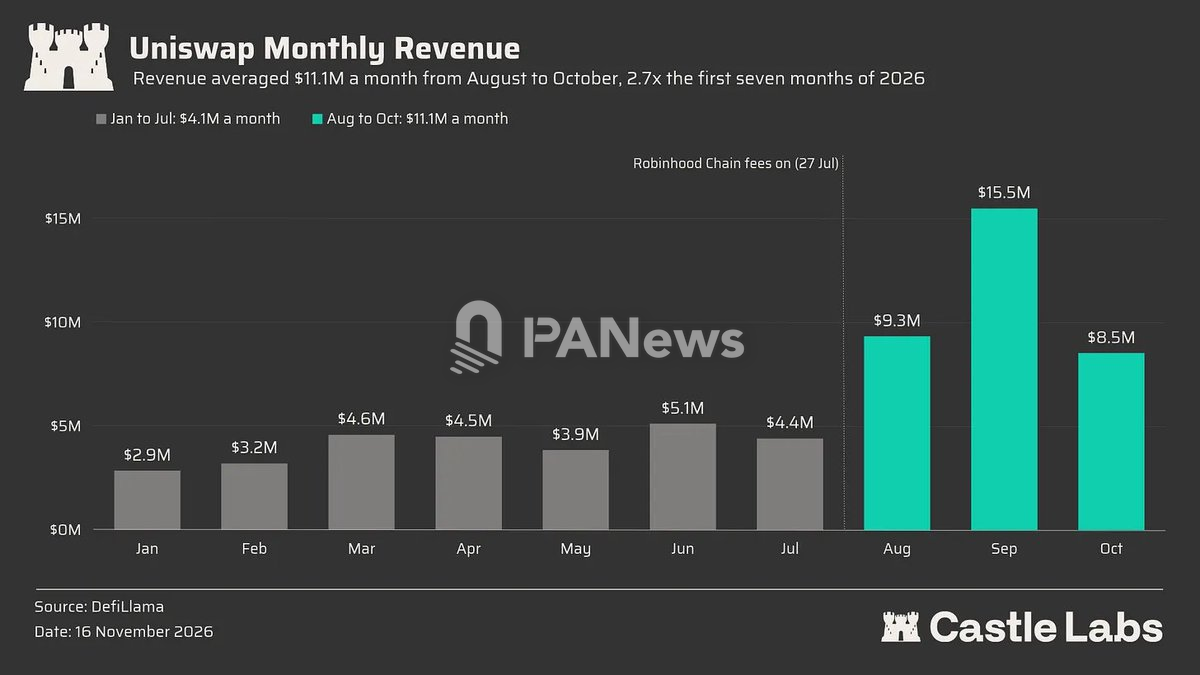
To compare token valuations with holder payouts, Castle Labs divided a token’s market capitalization by the amount distributed to holders over the prior 12 months. That ratio describes the market value attached to each dollar of recent distributions; it does not establish that a token is cheap or predict future payouts. The analysis found that this ratio fell for Uniswap and Hyperliquid over the period but rose for the other category-leading tokens it examined.
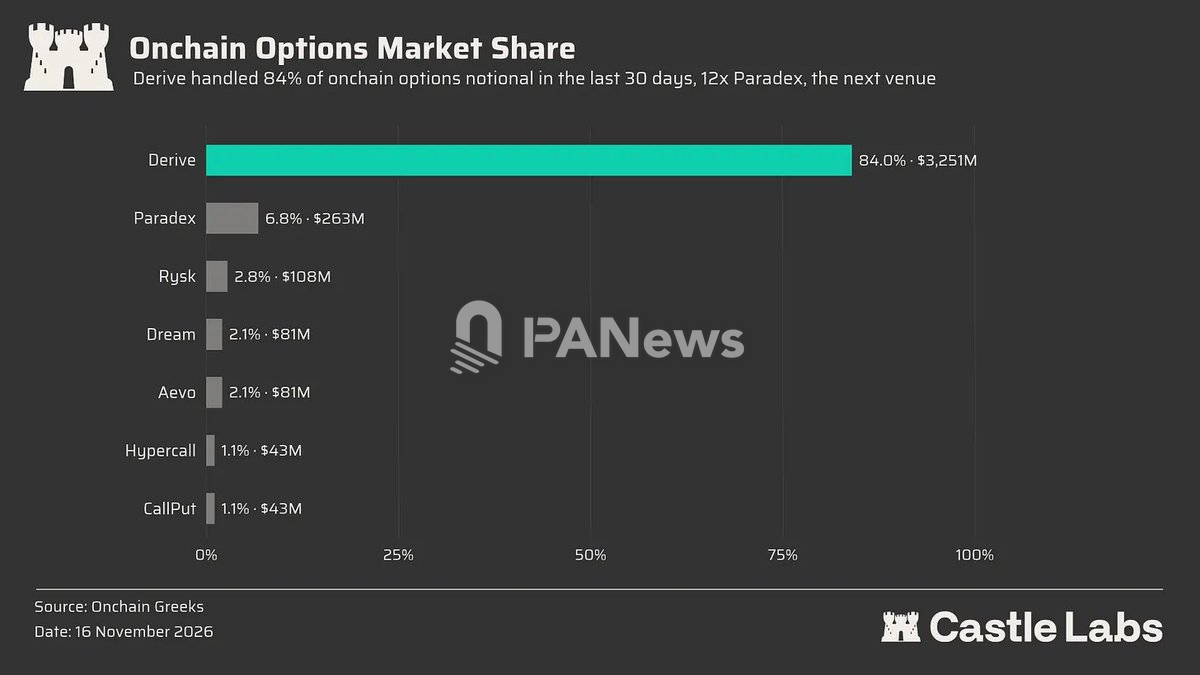
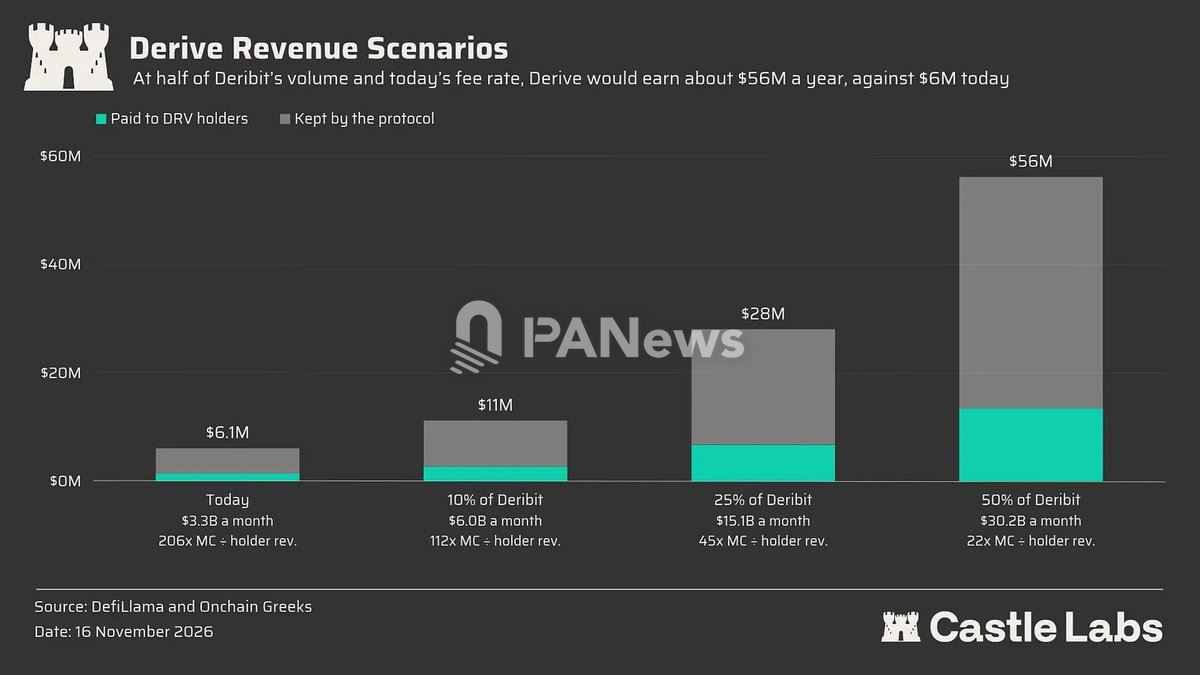
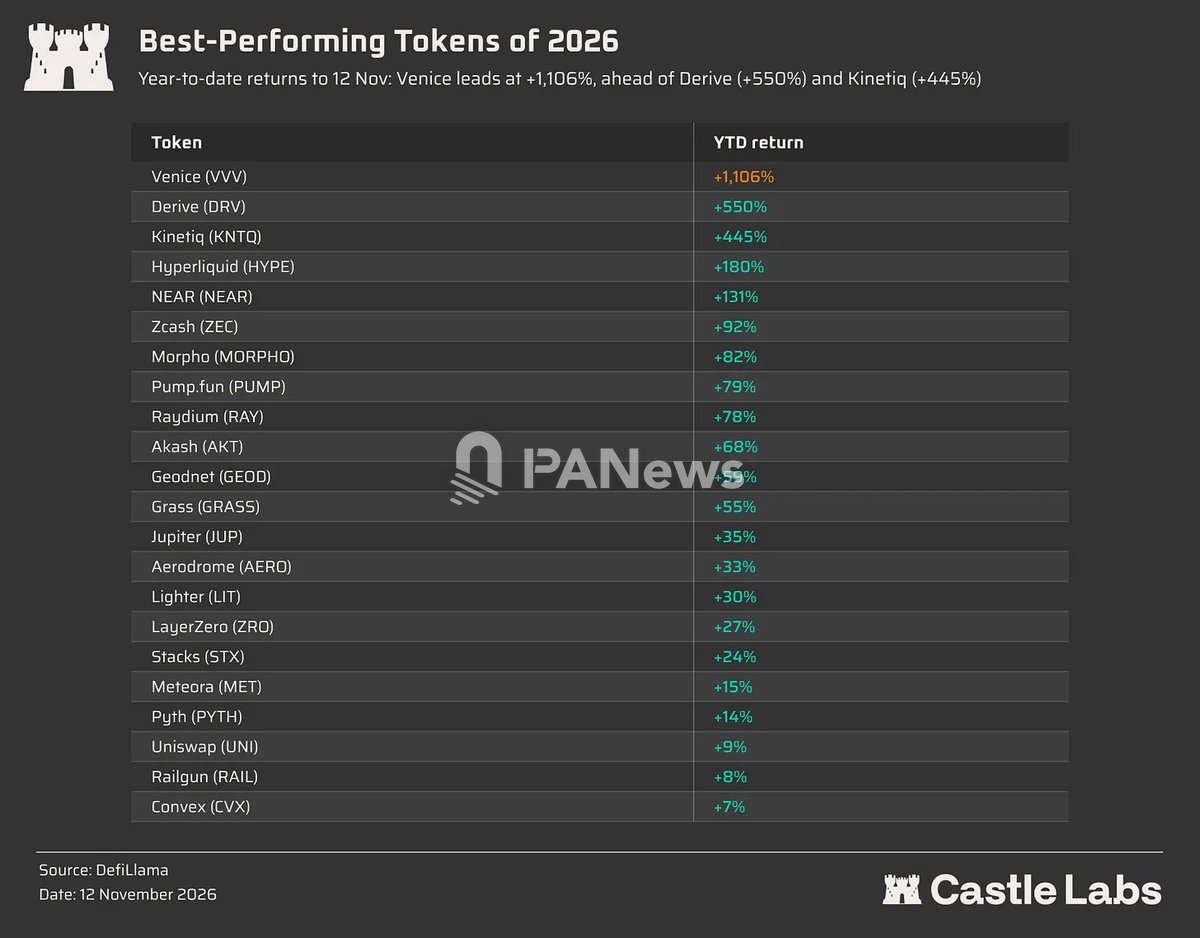
Derive illustrates the limit of a payout-only comparison. Castle Labs reported a 592% gain for DRV despite approximately $1.3 million distributed to holders over the preceding year. It interpreted that gap as evidence that buyers were pricing in potential growth in on-chain options, rather than current distributions alone. That growth remains an expectation, not a token-holder entitlement.
Growth plans still need a path to the token
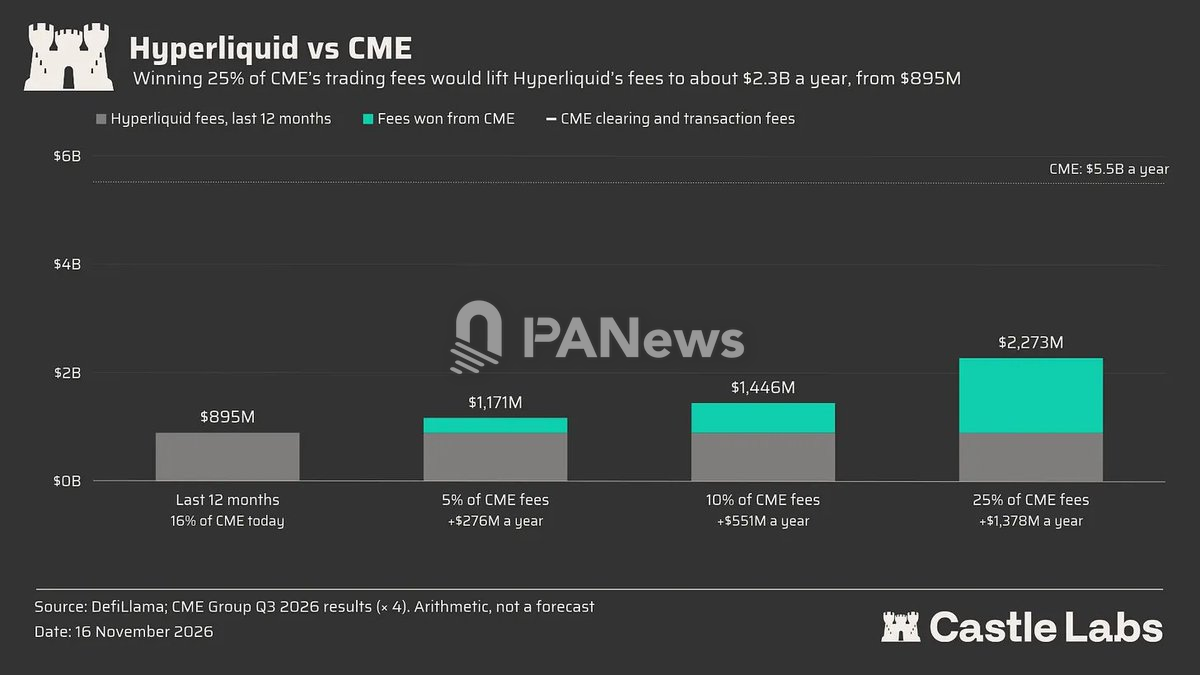
The article identified possible larger markets for several protocols, while leaving important outcomes unresolved. It reported that Hyperliquid earned $895 million in annual fees and described arrangements involving Intercontinental Exchange and Payward-related entities that could expand access to U.S. users. According to Castle Labs, those arrangements still awaited regulatory approval.
For Derive, Castle Labs reported roughly 73% of on-chain options volume and 93% of open interest over the preceding 30 days. It also described Derive V3 features including multi-currency margin and vaults. Those figures show the position the protocol held in its existing market at the time of the analysis; they do not establish how much of a larger options market it will capture.
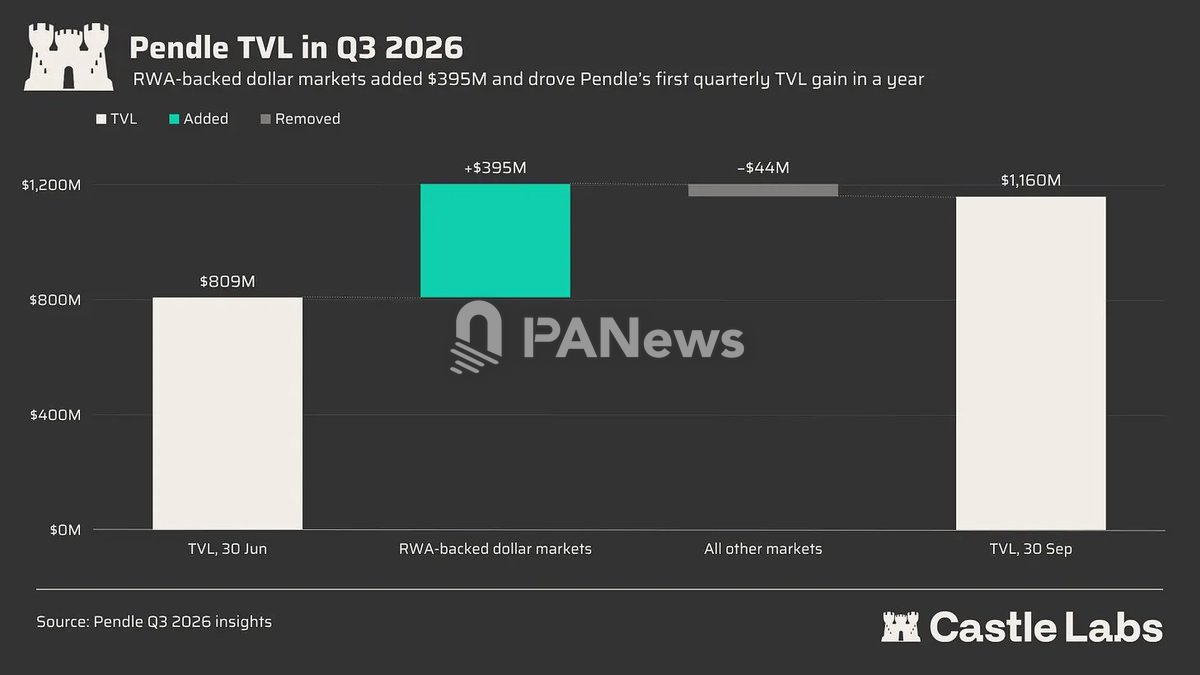
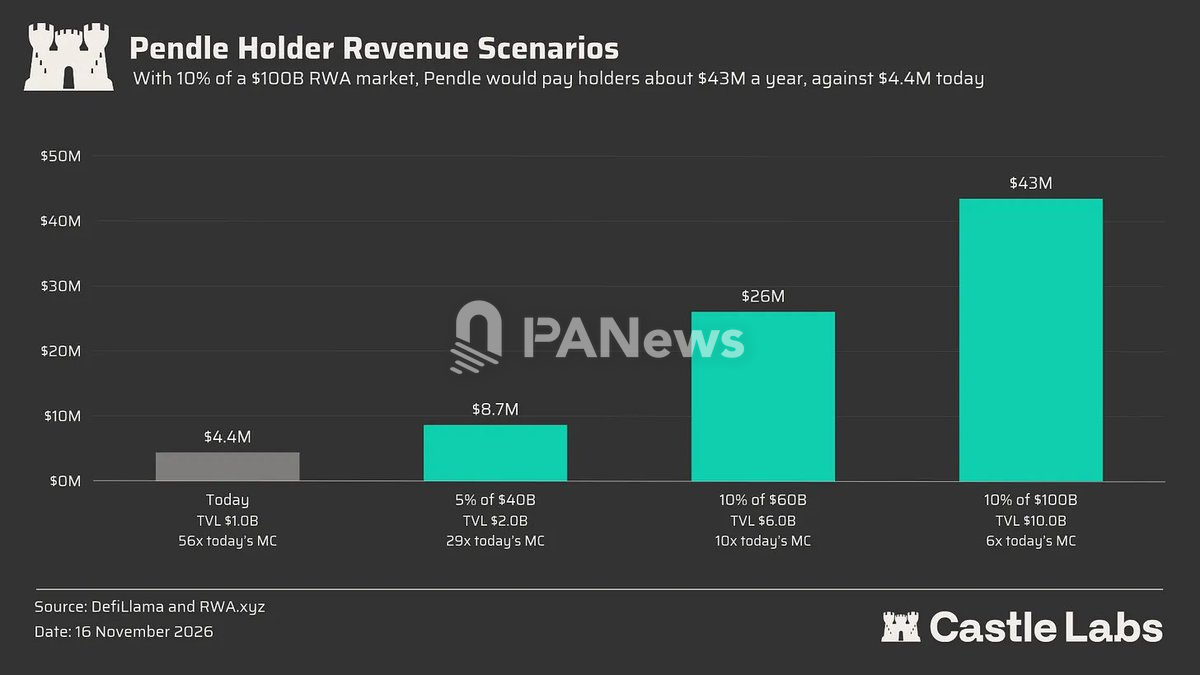
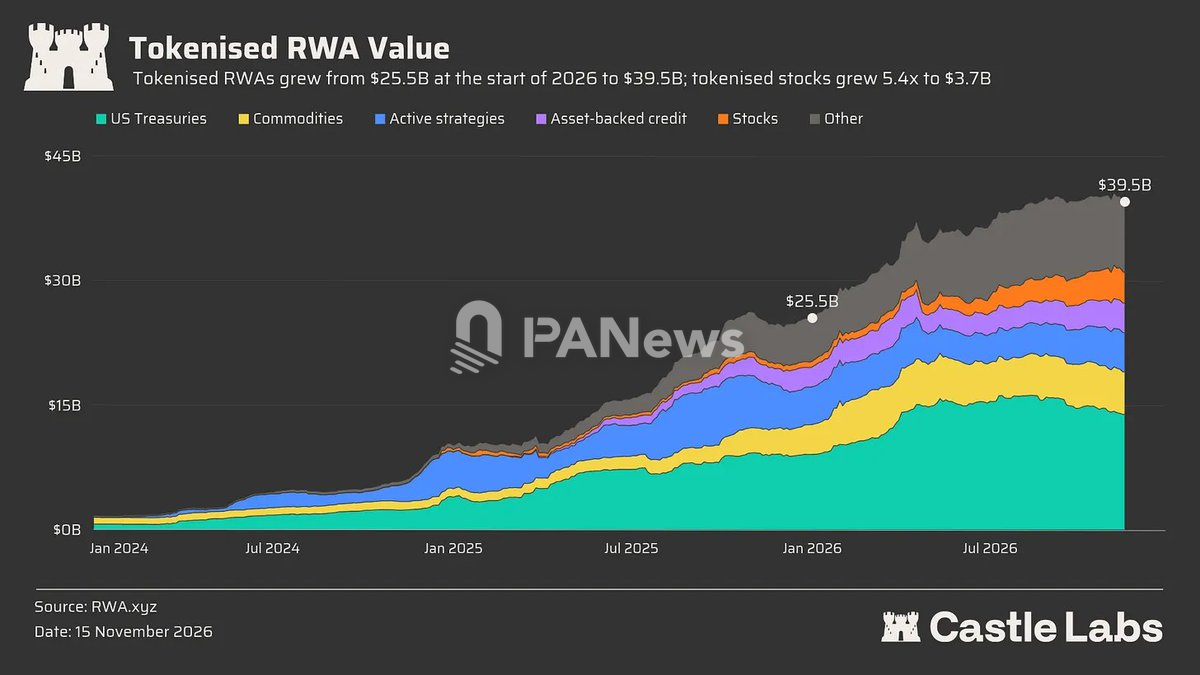
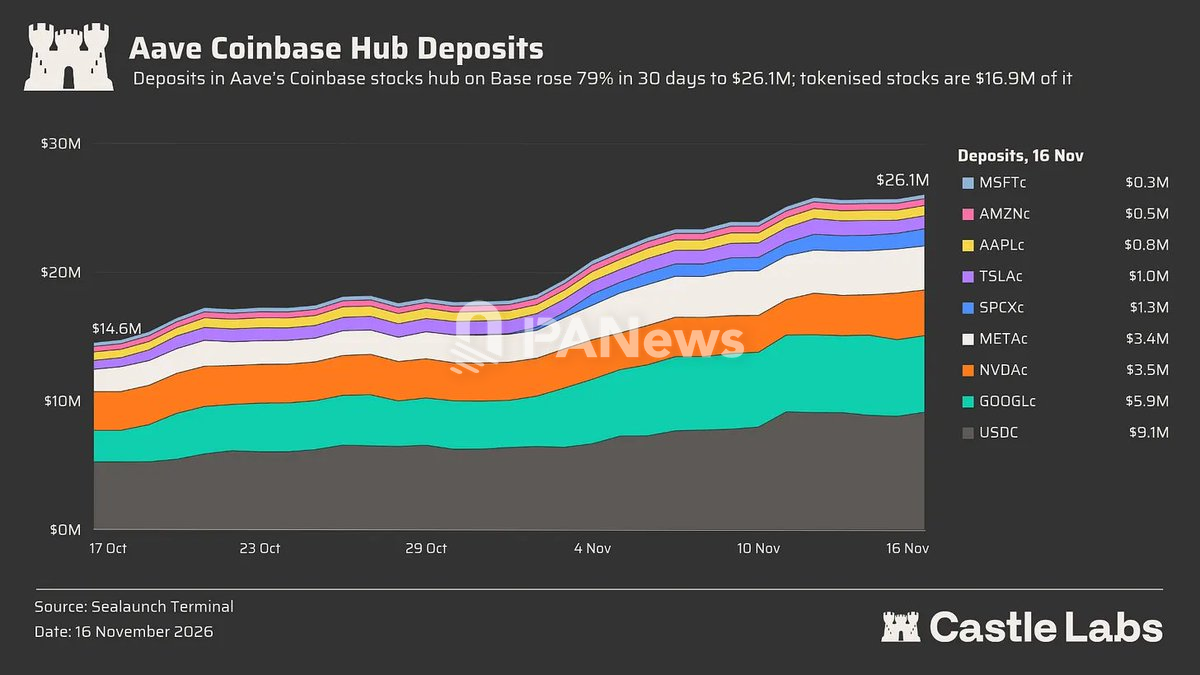
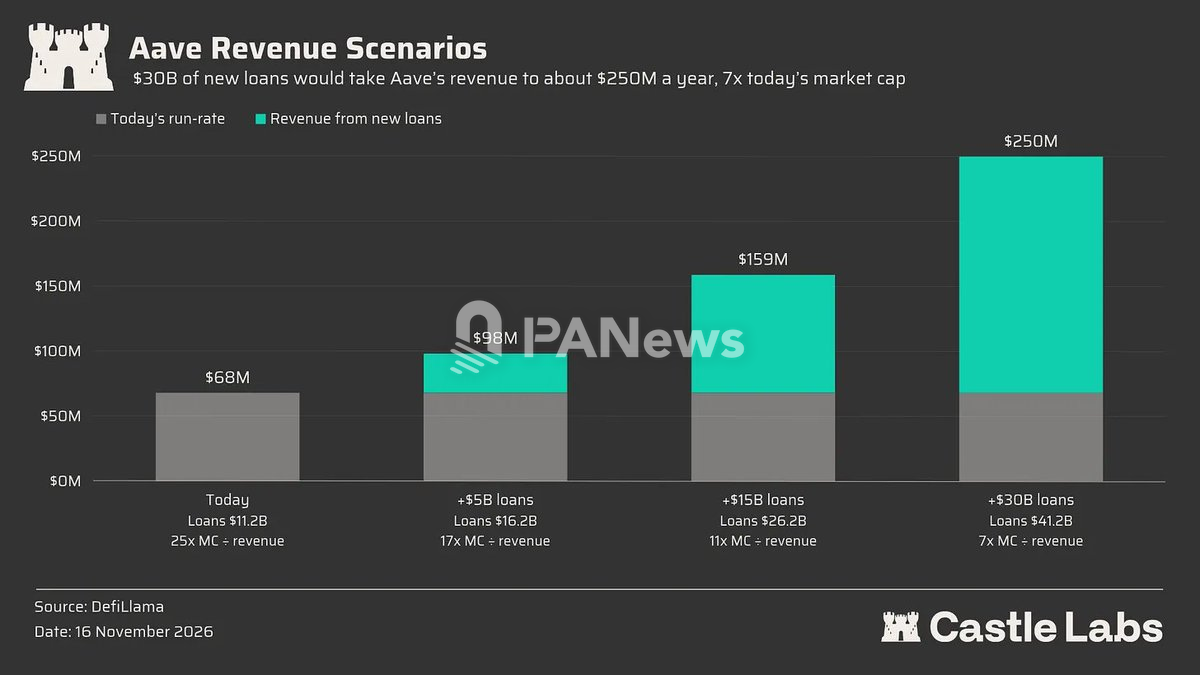
The same distinction matters for tokenized real-world assets. Castle Labs reported that RWA-linked pools made up 82% of Pendle’s total value locked at the end of the third quarter of 2026. More assets using a protocol could increase activity, but the resulting benefit to a token depends on its actual distribution mechanism. The analysis also said Aave had paused token-holder distributions from April 2026. Lending growth on its own therefore would not amount to a resumed payout.
Buybacks must be weighed against issuance
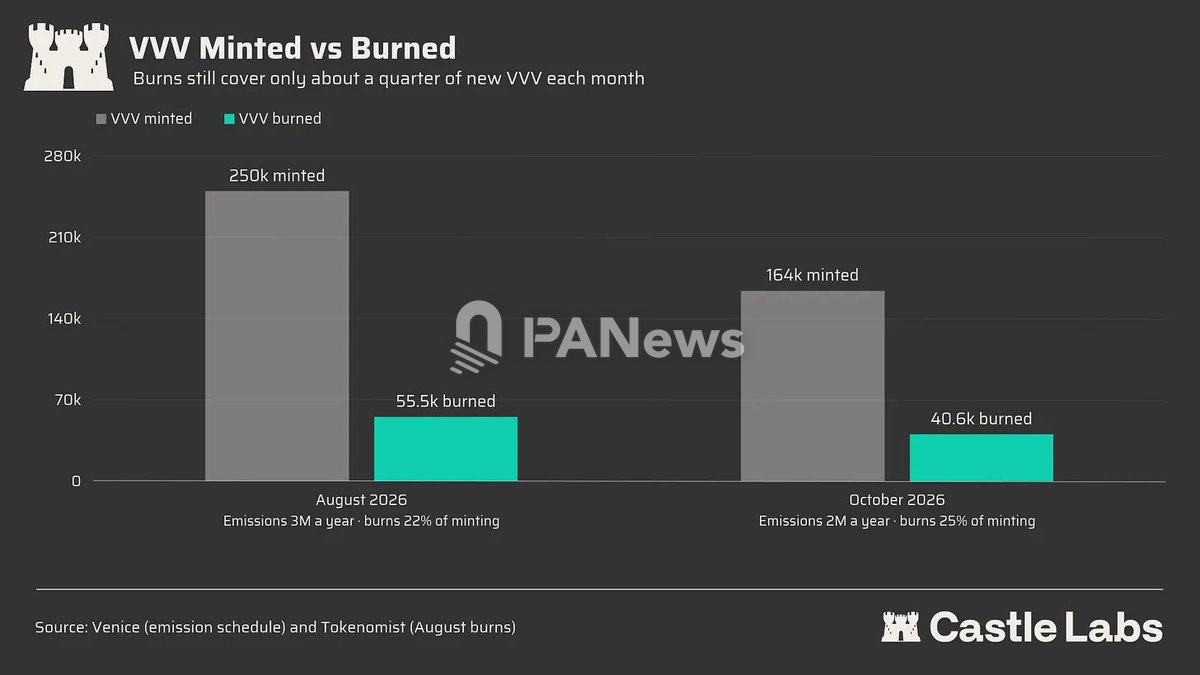
Venice AI offers a more direct supply example. Castle Labs reported that Venice used both manual and on-chain VVV buybacks and burns, and had burned tokens worth $1.02 million over the preceding 30 days. It also said the project reduced planned annual token issuance from 2.5 million to 2 million VVV.
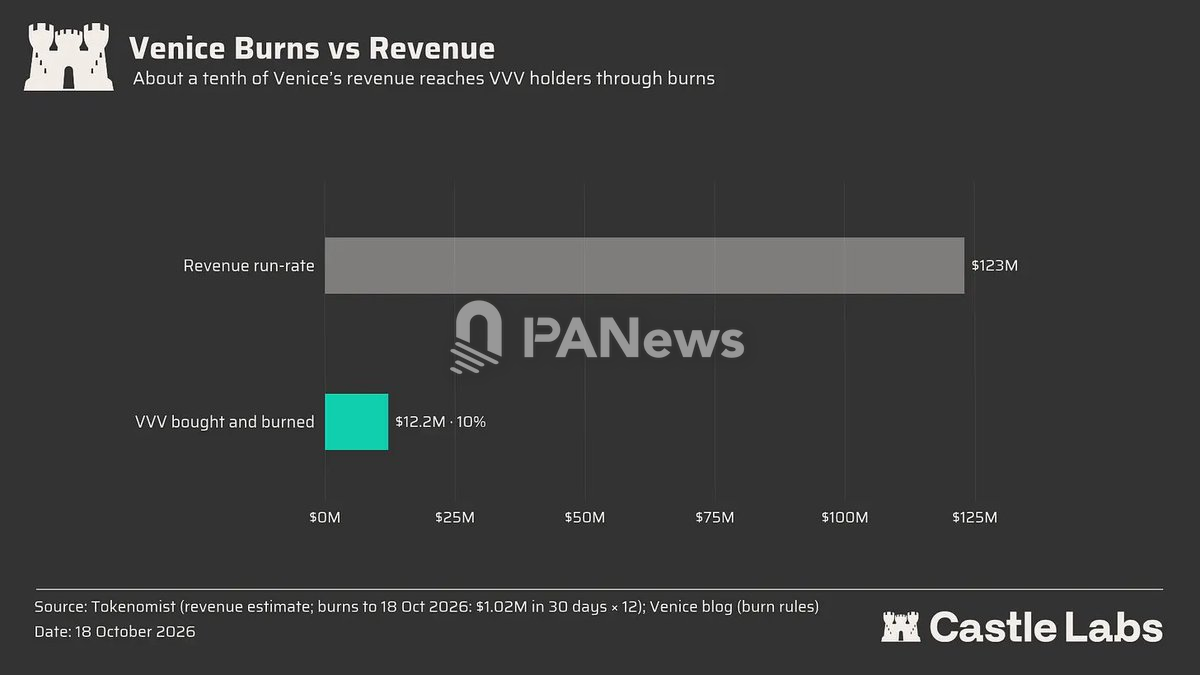
Those changes did not, by themselves, make supply deflationary. At the burn rate cited in the analysis, Castle Labs estimated that roughly 500,000 VVV would be removed over a year—about one-quarter of the stated 2 million-token annual issuance. It further cautioned that Venice’s business revenue is not wholly attributable to VVV holders because company equity also has a claim on the business.
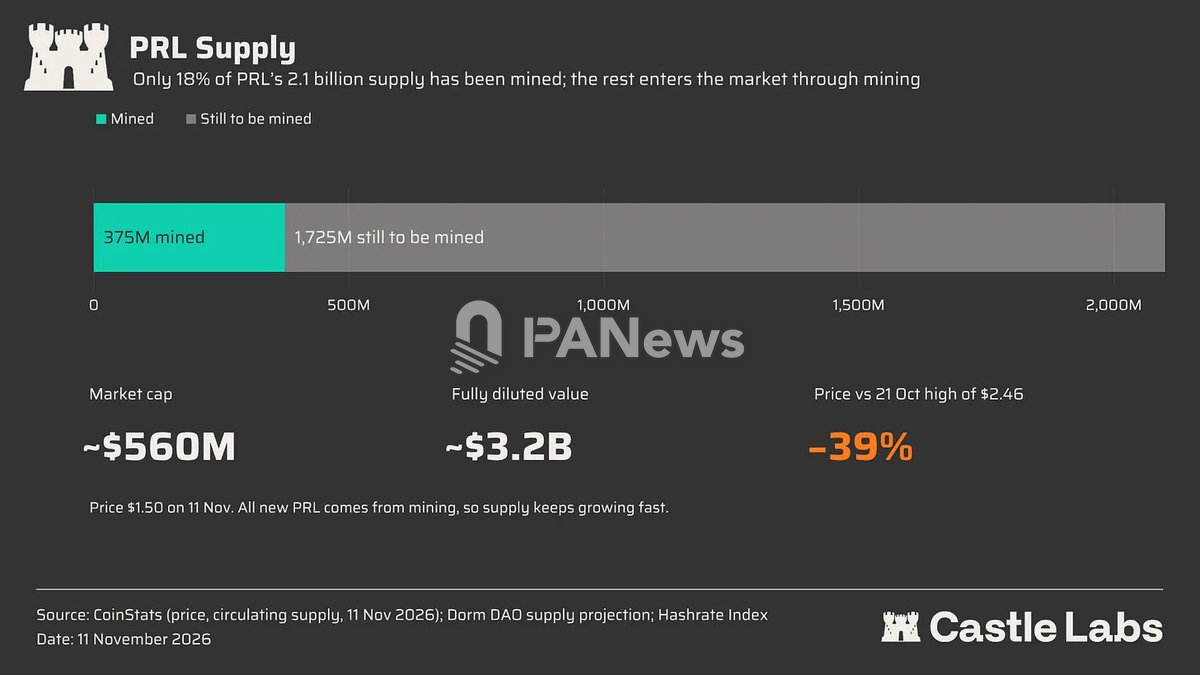
Pearl presents a different issuance mechanism. Castle Labs described its proof-of-useful-work design as rewarding miners for GPU-based matrix calculations, said the launch reserved no tokens for the team, and reported that 18% of the total supply had been mined by the time of publication. It also cautioned that most mining computation was not yet being sold to external customers; its proposed link between future commercial demand and token buybacks was a scenario, not an established revenue flow.
The recurring test is therefore narrower than “does the protocol lead?” It is who receives value now, how new tokens enter circulation, and which future uses have actually been secured. Market size and a compelling narrative may influence a token’s price, but neither substitutes for a documented mechanism connecting protocol activity to token holders.